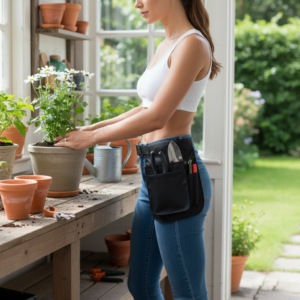
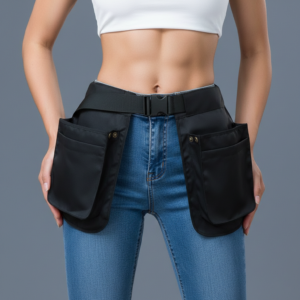
A reusable gardening apron is a gardener’s best defense against dirt, mud, and scratches—but not all aprons are built the same. The fabric you choose determines how long your apron lasts, how well it protects your clothes, and how comfortable it is during long hours of planting, weeding, and harvesting. In 2026, gardeners are ditching flimsy, single-use options for durable, reusable fabrics that stand up to harsh gardening tasks while being gentle on the planet. This guide breaks down the most popular reusable gardening apron materials, their pros and cons, and how to choose the right one for your gardening style. We’ll also highlight Google’s high-exposure, high-click articles that gardeners rely on for fabric advice—so you can make an informed choice.
Top Reusable Gardening Apron Materials for 2026
Each fabric offers unique benefits, from water resistance to breathability. Here’s a detailed breakdown to help you pick:
1. Waxed Canvas
Waxed canvas is the gold standard for heavy-duty reusable gardening aprons, especially for cold, damp climates. Infused with wax, this fabric is highly water-resistant, shedding moisture from damp soil or dripping hoses instead of absorbing it—critical for keeping you dry during early spring potting or late fall cleanup[2]. It’s also incredibly tough, resisting punctures from sharp pruners and abrasions from rough tools or concrete. Unlike plastic, waxed canvas breathes, preventing the clammy feeling you get from non-porous materials during physical work[2]. Over time, it develops a unique patina, softening and molding to your body for added comfort. Best for: Serious gardeners, cold/damp climates, and heavy-duty tasks.
2. Cotton
Cotton is a classic choice for reusable gardening aprons, beloved for its softness and breathability. It’s lightweight, making it ideal for warm-weather gardening, and easy to clean—most cotton aprons are machine washable. Pure cotton is gentle on the skin, won’t irritate during long wear, and is affordable for budget-conscious gardeners[1]. However, it’s not naturally waterproof; while some cotton aprons are treated with a water-repellent coating, they may lose this feature after multiple washes. Best for: Casual gardeners, warm climates, and light to moderate tasks.
3. 绸缎 (Satin)
Satin (绸缎) is a stylish, underrated option for reusable gardening aprons, perfect for gardeners who want both function and flair. Made from smooth, luxurious绸缎 fabric, these aprons are easy to clean—dirt and stains wipe off quickly with a damp cloth[1]. Most satin gardening aprons are treated to be waterproof, making them great for light gardening tasks like planting flowers or harvesting vegetables. They’re lightweight and comfortable, but not as heavy-duty as waxed canvas or cotton duck. Best for: Casual gardeners, light tasks, and those who prioritize style.
4. Cotton Duck
Cotton duck (a heavy, tightly woven cotton) is another durable option for reusable gardening aprons. It’s thicker than standard cotton, offering better protection against scratches and dirt, and it’s highly abrasion-resistant[2]. While not naturally waterproof, it can be waxed to add water resistance, making it versatile for different climates. Cotton duck aprons are sturdy, long-lasting, and develop a soft, worn-in feel over time. Best for: Gardeners who want durability without the stiffness of waxed canvas (before waxing).
How to Choose the Right Material for You
When selecting a reusable gardening apron material, consider these factors:
-
Climate: Choose waxed canvas or treated satin for damp/cold climates; opt for cotton for warm weather.
-
Tasks: Heavy-duty tasks (digging, pruning) call for waxed canvas or cotton duck; light tasks (planting, harvesting) work with cotton or satin.
-
Comfort: Prioritize breathable fabrics (cotton, waxed canvas) for long gardening sessions.
-
Style: Satin offers a sleek look; waxed canvas and cotton duck have a rugged, classic vibe.